
Keywords: what is anxiety, is anxiety healthy, difference between anxiety and fear, how to deal with anxiety, anxiety vs worry
What Is Anxiety, Really?
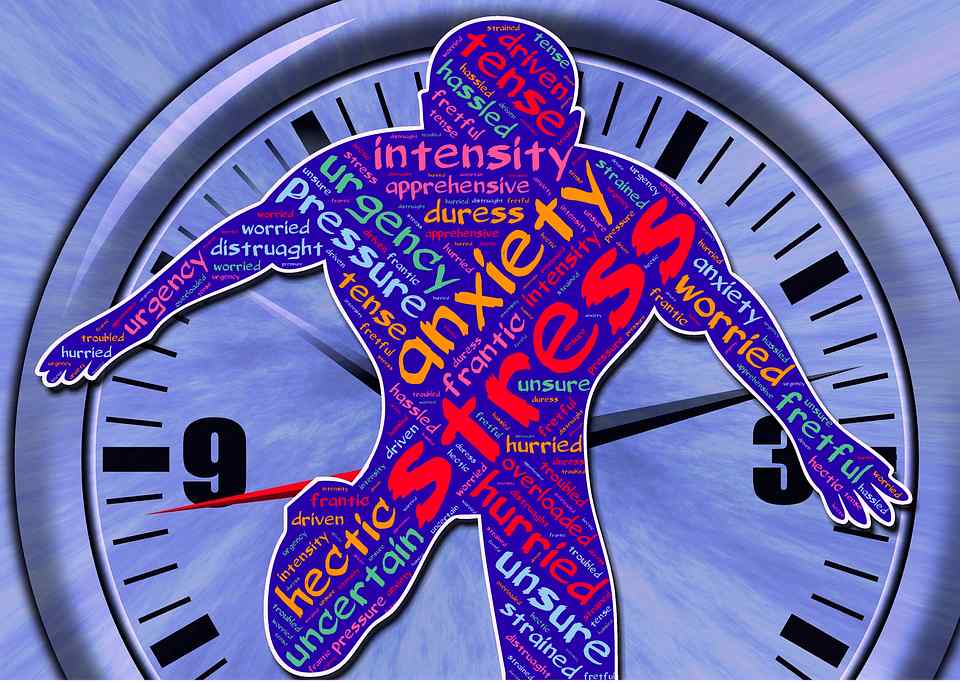
Is anxiety just another form of fear or worry? Is it a healthy response or something we need to “get rid of”?
These are common questions people ask when they start to explore their mental health. From my experience as a therapist, I’ve come to see anxiety in a different light—one that’s not always talked about.
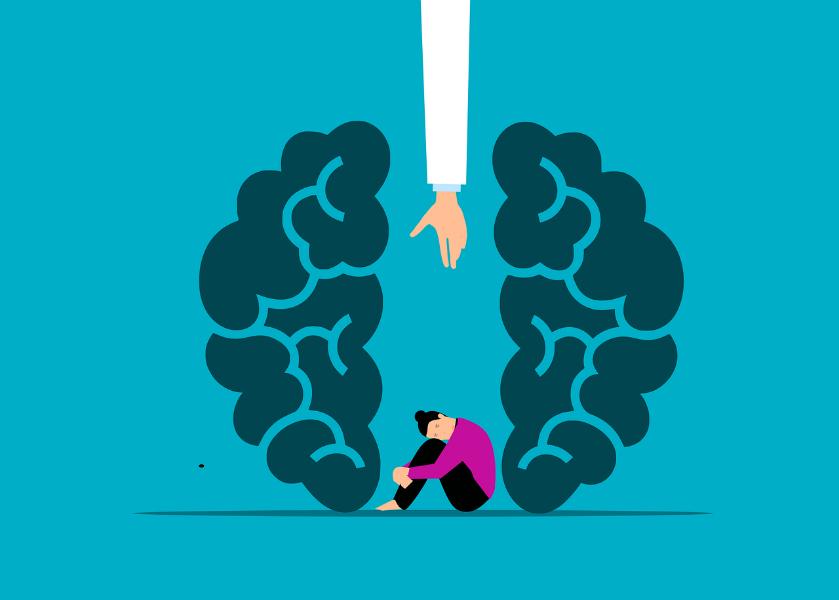
Anxiety often shows up as a symptom that something deeper isn’t right, and in that sense, it can be seen as protective. But that doesn’t make it healthy by default.
Is Anxiety the Same as Fear or Worry?
Short answer: no—and here’s why.
Fear and worry are natural responses to specific situations. They help us prepare, stay alert, and respond to challenges. Think of them as guard dogs that protect you when real threats appear.
Anxiety, however, is like a guard dog with rabies. It barks constantly, even when there’s no real danger. It creates worst-case scenarios in your head and convinces you they’re guaranteed to happen. Unlike fear or worry, which can push us to take action, anxiety often freezes us in place.
The Problem With “What If” Thinking
Most people with anxiety get trapped in a loop of “what if” thoughts:
- What if something bad happens?
- What if I fail?
- What if they don’t like me?
These thoughts can feel overwhelming and lead to a sense of helplessness. This happens because anxiety distorts reality, making us believe we have no control. And when we believe we’re powerless, we stop looking for solutions.
The Science Behind Anxiety and the Freeze Response
When you’re anxious, your body enters a state of stress. Blood and oxygen get redirected away from the rational parts of your brain (like the prefrontal cortex) and into your arms and legs—to prepare you for danger.
This is why, during intense anxiety, it’s hard to think clearly or make decisions. While fear might send us into fight or flight, anxiety more often triggers a freeze response. You feel stuck, foggy, and unable to move forward.
What Causes Anxiety to Spiral?
In many cases, anxiety becomes overwhelming because we’ve ignored or suppressed our emotions for too long. As children, we learn coping strategies like dissociation or emotional avoidance when we don’t feel safe or heard.
If those coping mechanisms never evolve, we keep reacting from a childlike emotional place—even as adults. And anxiety becomes the loud alarm bell we can’t turn off.
How Avoidance Makes Anxiety Worse
One of the most common (and understandable) responses to anxiety is avoidance. We avoid the people, places, or situations that trigger us. But here’s the thing: avoidance feeds anxiety.
For example, someone with social anxiety might skip events or cancel plans. Over time, they lose social confidence and become more self-focused—making it even harder to connect when they try again.
This creates a vicious cycle of isolation, rumination, and powerlessness.
So, Is Anxiety a Healthy Coping Mechanism?
Not really.
Anxiety may start as a protective response, but it’s often an exaggerated reaction rooted in old emotional wounds. I see it more as a warning light—a signal that something deeper needs attention.
Anxiety often points to:
- A misalignment between how you live and who you truly are
- Situations where your basic needs are unmet
- Moments where you feel voiceless or unseen
- The unmet needs of your inner child
When you start listening to the message beneath your anxiety, that’s when real change can begin.
How to Deal With Anxiety in a Healthy Way
Here are a few healthier ways to approach anxiety:
- Separate anxiety from fear or worry
Understand that not all anxious thoughts are true or helpful. - Face anxiety-producing situations gradually
Exposure builds resilience and restores your sense of control. - Get curious about your anxiety
Ask yourself: What is this trying to tell me? or What am I avoiding? - Reconnect with your inner child
Anxiety often stems from unresolved emotional pain. Showing compassion to that part of you can shift everything. - Reach out for professional support
A therapist can help you explore the root causes of your anxiety and develop effective coping strategies.
You Don’t Have to Live With Constant Anxiety
Anxiety doesn’t have to control your life. I’ve worked with many clients who now live with little to no anxiety, simply because they learned to understand it, manage it, and respond to it differently.
It is absolutely possible to live a calm, empowered, and anxiety-free life—and even if anxiety returns, you can be equipped with the tools to handle it.
Final Thoughts
Anxiety isn’t “just in your head,” and you’re not weak or broken for feeling it. But you also don’t have to suffer with it forever.
If anxiety has been interfering with your life, don’t hesitate to seek support. Therapy can help you understand what your anxiety is trying to tell you—and guide you to a life where you feel more confident, connected, and in control.
Need help with anxiety?
Reach out today to book a session and start your journey toward an anxiety-free life.