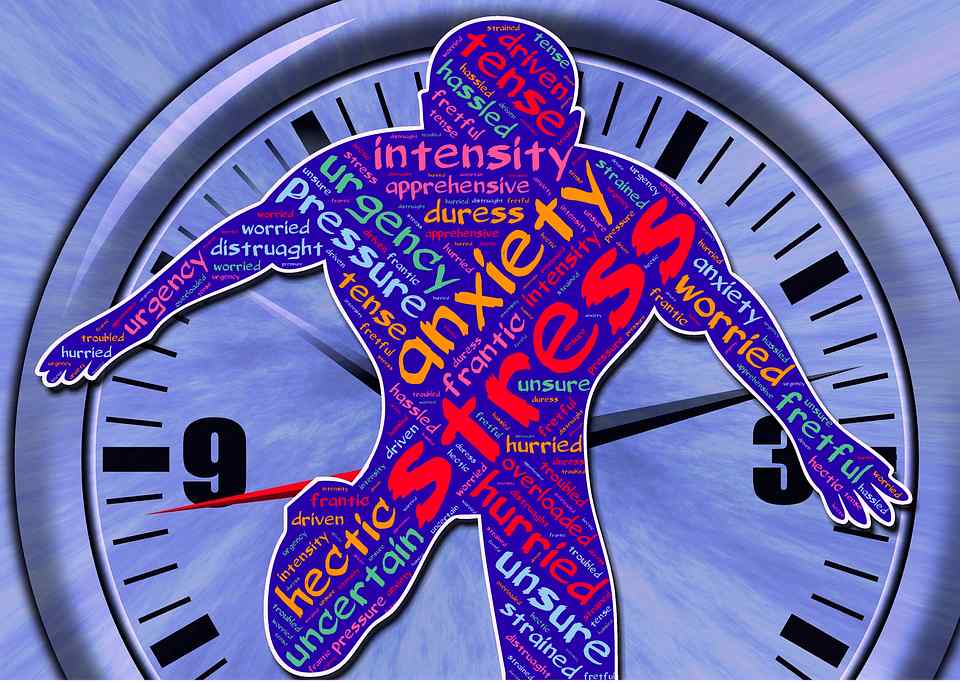


Perfectionism and anxiety, shedding light on how perfectionistic tendencies develop and manifest in daily life.
The Origins of Perfectionism: A Critical Voice From Childhood
Perfectionism can be a behaviour the child saw modelled for them by one or both of their caregivers, and therefore it can be a learned behaviour.
More often than not though, perfectionism often has its deeper roots in childhood, particularly in environments where a critical parent or caregiver played a significant role. To cope with external criticism, many children develop an inner critical voice as a defence mechanism, hoping to protect themselves from further emotional harm. This inner critic becomes deeply entrenched, influencing self-worth and creating unhelpful beliefs, such as:
- I’m not good enough unless I’m perfect.
- If I’m perfect, I will earn my parent’s love.
- If I’m perfect, I can prevent my parents from fighting or divorcing.
- If I’m perfect, I won’t be abandoned.
- If I’m perfect, I can control something in my life.
These beliefs often become the foundation of perfectionism in adulthood. They stem from the child’s attempts to navigate an unpredictable or critical environment by seeking control, approval, or validation through flawless behaviour.
Perfectionism and Fear of Rejection
A significant aspect of perfectionism is its link to fear of rejection or abandonment. Perfectionists often adapt their behaviour to meet perceived expectations, which can lead to a loss of authenticity in social settings. This disconnection from one’s true self comes at a cost:
- Exhaustion: Constantly performing or appearing perfect for others can be draining.
- Isolation: The pressure to always “get it right” can push perfectionists to withdraw from social interactions to avoid scrutiny.
- Difficulty in relationships: Perfectionists often apply the same pressure to be perfect on the ones closer to them, and this can make loved ones feel devalued, unappreciated, angry. In turn this can lead to difficult relationships and break-ups.
- Identity Struggles: Over time, the gap between one’s authentic self and their “perfect” persona can create confusion and undermine self-worth.
- Social Anxiety: Worrying about being judged, ridiculed, or rejected becomes a constant source of stress, fuelling a cycle of anxiety.
- Stuck-ness – Constantly feeling the pressure to be perfect and perform at the highest level can often prevent perfectionists from achieving their goals. This relentless pursuit of flawlessness can lead to procrastination, burnout, or an inability to complete tasks out of fear they won’t meet impossibly high standards. Instead of fostering success, perfectionism often becomes a barrier to progress and accomplishment.
The Role of External Validation
Perfectionists are often dependent on external validation to feel a sense of worth. Positive feedback from others temporarily soothes the inner critical voice but reinforces a vicious cycle: the need to achieve perfection to feel validated. Over time, this dependency makes individuals more vulnerable to feelings of inadequacy, as they struggle to feel “enough” without external approval.
The Illusion of Control
Another key driver of perfectionism is the desire for control. For those who grew up feeling powerless—perhaps due to chaotic family dynamics or inconsistent parenting—perfectionism offers the illusion of control. By ensuring every task is done “perfectly,” individuals may believe they can:
- Avoid negative outcomes.
- Shield themselves from criticism.
- Create predictability in an otherwise uncertain world.
Unfortunately, this sense of control is fleeting and often unrealistic. Perfectionists may feel compelled to focus excessively on details, whether at work or during daily tasks like cleaning or organizing, yet never feel fully satisfied. This compulsive behaviour can exacerbate feelings of stress and anxiety.
Perfectionism and Anxiety: A Close Connection
The link between perfectionism and anxiety is undeniable. The relentless pursuit of perfection fosters constant worry about falling short, which contributes to:
- Social Anxiety: Fear of making mistakes or being judged in social settings.
- Generalized Anxiety: Chronic worry about meeting expectations in all areas of life.
- Burnout: The physical and emotional toll of striving for perfection without respite.
The perfectionist’s mind is often trapped in a loop of “what-ifs” and worst-case scenarios, making it difficult to relax or experience genuine contentment.
Breaking the Cycle
Understanding the roots of perfectionism is the first step toward breaking free from its grip. Here are some strategies to consider:
- Challenge Unhelpful Beliefs: Reflect on the beliefs instilled during childhood and question their validity. For example, does being perfect truly guarantee love or safety?
- Practice Self-Compassion: Replace the critical inner voice with a kinder, more forgiving one. Celebrate progress over perfection.
- Set Realistic Goals: Recognize that perfection is neither attainable nor necessary. Aim for “good enough” in tasks where excellence isn’t critical.
- Seek Therapy: integrative psychotherapy can help address the underlying fears and beliefs fuelling perfectionism.
- Embrace Authenticity: Practice being your true self in small, low-risk situations. Over time, this can reduce the fear of rejection and help you reconnect with your identity.
Conclusion
Perfectionism may seem like a shield against rejection, criticism, or chaos, but it often leads to exhaustion, anxiety, and disconnection from one’s true self. By understanding its origins and challenging the beliefs that sustain it, individuals can begin to dismantle perfectionism’s hold on their lives. In doing so, they can cultivate self-acceptance, healthier relationships, and a more peaceful mind.