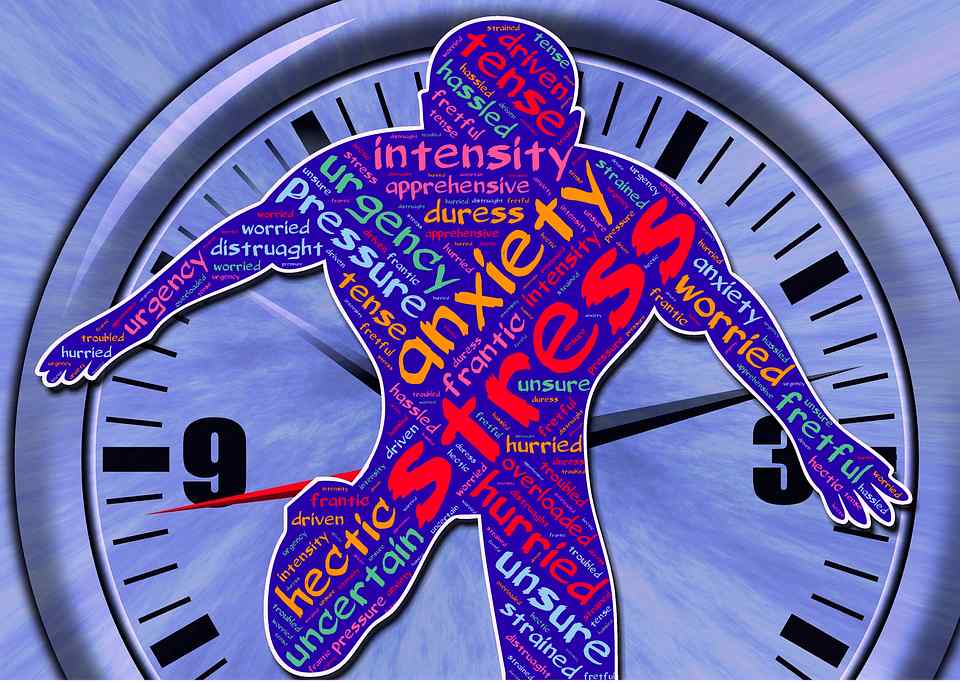


Anxiety has been recently spreading worse than covid-19. This has a major impact on people’s work life and productivity, on their relationships, and most importantly, on their physical and mental health. Being constantly in fight or flight has a big impact on both the mind and the body, not only ours, but also those closest to us. For many people, the pandemic opened wounds which stayed closed for decades. This means that currently, many people find themselves overwhelmed and powerless against this emotion, which can take over everything.

For many anxiety sufferers, the main question circling round and round when we feel anxious starts with “What if… [potential problem],” and the mind keeps creating all the potential scenarios of things which could go wrong. The problem is, the mind keeps creating the potential problems, however, while in that anxious state, unfortunately it does not also provide the potential solutions. Anxiety keeps us stuck in doom and gloom, in a state where we feel powerless and hopeless.
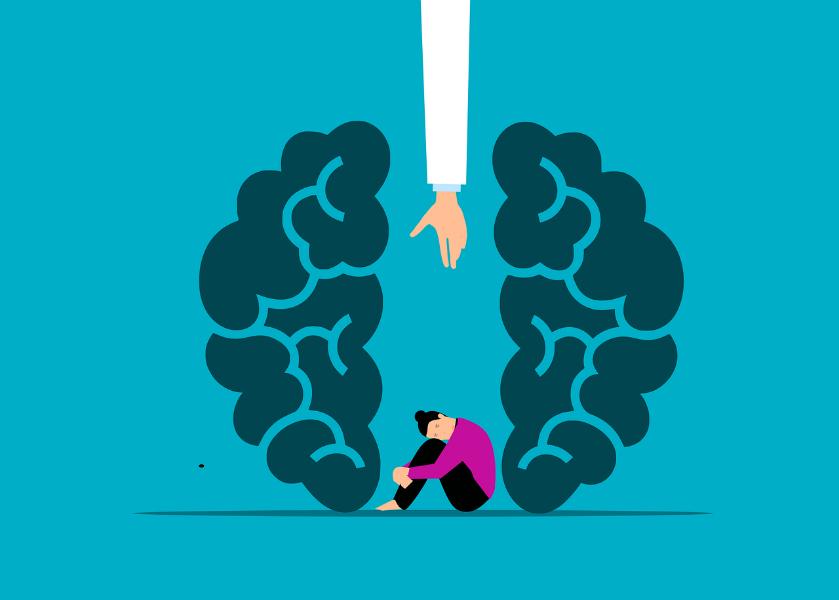
For the anxious brain, this fight or flight situation will undoubtedly lead to destruction. There seems to be no way out and thus we feel like a defenceless child in that moment.
Many of my clients find that this describes exactly how they feel in those instances when anxiety takes over. Anxiety sufferers feel stuck. That’s one of the biggest issues with anxiety. That feeling of ‘stuckness’ and hopelessness.
At the same time, many anxiety sufferers are unconsciously scared that they won’t be safe if anxiety isn’t there anymore to ‘protect’ them. And this creates that vicious cycle, which makes people feel even more powerless.
Anxiety is a feeling rooted in fear. However, unlike fear, which can be rational and lifesaving, anxiety is irrational and keeps us rooted in the problem.
Therefore, I believe it is necessary that we make this distinction between healthy fear/worry and anxiety. Fear and worry are solution focused and are there to keep us safe and help us prepare, just like a friendly guard dog, there to protect our life. Anxiety is, on the other hand, an ill sense of fear, like a guard dog with rabies, which keeps us stuck in the problem. By making this distinction between anxiety and fear, between the rabid dog and the guard dog, we can then manage and heal anxiety in a way which empowers us, in ways that get us out of that deadlock, so that we can have healthier and happier lives.
For example, one very common anxiety these days is social anxiety. Socially anxious people imagine the worst-case scenarios and they get so caught up in them that they become a bit awkward in social situations which in turn can lead to the original anxiety becoming a self-fulfilling prophecy. Imagine if, instead of being stuck in that anxiety, you could use some therapeutic coping tools to help you move on and overcome those painful anxious moments which feel like forever. For many people who have lived with anxiety for years, that may feel impossible to achieve.
However, it is possible. I have seen many clients use those tools to overcome anxiety in many situations where they previously couldn’t.
Whilst I’m happy to share these tools here in this article, I also need to say that our brains form natural patterns that do generally need a bit of help and support to change and rewire.
It is very important that we learn to make the distinction and acknowledge what we feel and be clear if that is fear, worry, anger, etc., or whether it is indeed anxiety. Certain emotions have similar reactions in the body, so it can be a bit confusing at times — unless you really pay attention. Paying attention to what we feel can also help the brain calm down. It’s like knowing helps to trigger the alarm system; because we paid attention to it, the alarm doesn’t need to ‘ring’ as loudly.
2 basic tools to help anxiety in the moment:
- The first step is to calm the body. There is no point in attempting to reason with anxiety. When in fight or flight, it is a lost battle.
- Some people use deep breathing as an easy tool to tell the body they are safe. Then and there, this calms the body’s alarm and nervous system. Taking a few deep breaths into our belly, with a longer exhale than inhale, activates the vagus nerve, which tells our brain that we are safe; there is no bear around the corner.
- Other ways to calm the body include grounding, washing the face with cold water, humming/singing, or tapping. They all activate the vagus nerve, which is essential in helping the body to identify that we are safe.
- Once the body feels calm and safe, then we can reason. This is one step that gets the brain thinking about solutions. Anxiety always asks ‘What if’…and gets you stuck in the millions of catastrophes that could happen, with no escape. Continuing that question with ‘… Then what? What’s the worst that can happen and what can I do about it?’ can help create movement, feel more empowered and able to deal with what is at hand. It focuses us on that which we can control (as opposed to those things which we want to control and can’t and which make us feel worse) and it helps build resilience, confidence, and resourcefulness. This in turn reminds us that we are resilient, knowledgeable, independent, and capable adults.
These two relatively easy ways to manage anxiety in the moment can sometimes be enough to stop that vicious cycle which keeps us captive in despair and helps us finally ‘see the wood for the trees’. Learning to manage anxiety in healthier ways is not always easy and because anxiety can have many different roots, the ways to successfully navigate it can be more complex too. Consider reaching out to a professional who has specialised in working with anxiety to learn the origins of your anxiety and what do you personally need in order to manage it better and/or heal from it.
Feel free to contact me if you would like to work on it together.